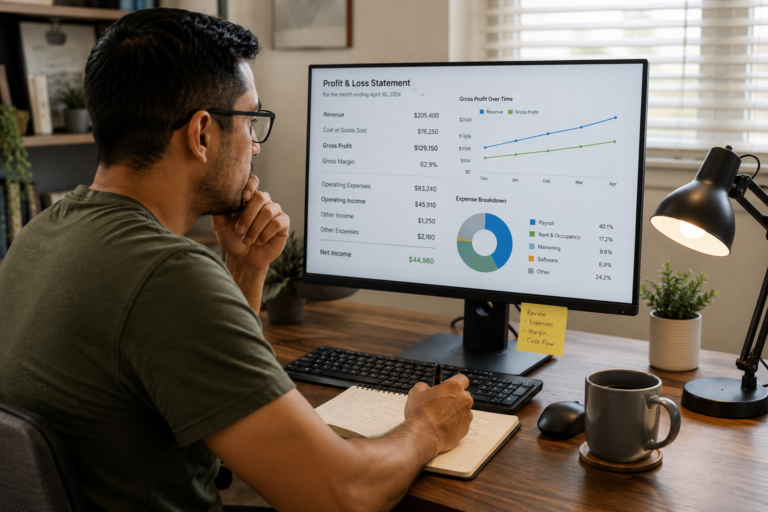
For small business owners, taxes are one of the largest ongoing expenses—and one of the biggest opportunities for savings. A well-planned tax strategy can make a significant difference in your bottom line. Instead of waiting until tax season, proactive planning helps you improve profitability, manage cash flow, and avoid costly surprises.
At Rise CPA & Accountants, we specialize in helping entrepreneurs understand and implement proven strategies to minimize tax liabilities and maximize savings. Whether you’re a new business owner or a seasoned entrepreneur, these tax strategies can help you plan smarter and keep more of what you earn.
Common Tax Challenges for Small Businesses
Even successful business owners often face recurring tax challenges that can reduce profitability and increase stress during tax season.
1. Missed Deductions and Credits
Many small business owners overlook valuable deductions or credits that could save thousands each year. Without proper guidance, deductions like home office expenses, business mileage, or Section 179 deductions often go unused.
2. Mixing Personal and Business Finances
Using the same bank account for personal and business expenses may seem convenient, but it creates accounting complications, increases audit risk, and can make it difficult to substantiate deductions.
3. Poor Recordkeeping
Disorganized receipts and incomplete documentation can lead to missed deductions, errors on tax returns, and difficulty proving expenses during an audit.
4. Missed Deadlines
Late filings or missed estimated tax payments can result in unnecessary penalties and interest charges—money that could otherwise stay in your business.
Core Small Business Tax Strategies
1. Choose the Right Business Entity
Your business structure—whether it’s a sole proprietorship, LLC, S Corporation, or partnership—directly affects your tax obligations.
- Sole Proprietorships and LLCs: Simpler to form, but subject to self-employment taxes on all earnings.
- S Corporations: Allow owners to take part of their income as distributions, potentially reducing self-employment taxes.
Selecting the right entity early on can reduce tax liability and improve your long-term financial flexibility.
2. Make Estimated Tax Payments
The IRS requires most small business owners to make quarterly estimated tax payments. Setting aside money consistently ensures you’re not hit with a large bill in April. Consider creating a dedicated savings account or automating transfers to stay on track and avoid penalties.
3. Maximize Deductions and Credits
Every dollar you can legally deduct reduces your taxable income. Be sure to explore these opportunities:
- Section 179 and Bonus Depreciation: Deduct the full cost of qualifying equipment and software in the year of purchase.
- Home Office Deduction: Available if part of your home is used regularly and exclusively for business.
- Vehicle Expenses: Choose between the standard mileage rate or actual expense method for maximum savings.
- Tax Credits: Explore options such as the Research & Development (R&D) credit or energy-efficiency credits available to small businesses.
4. Contribute to Retirement Plans
Business owners can save for the future while lowering taxable income through plans like SEP IRAs, SIMPLE IRAs, or Solo 401(k)s. These contributions are tax-deductible, providing a double benefit—reduced taxes today and financial security for tomorrow.
5. Optimize Timing of Income and Expenses
Strategic timing can have a meaningful impact on your tax bill.
- Accelerate expenses (e.g., prepay rent, purchase supplies) if you expect higher income this year.
- Defer income (delay invoicing or payments) if you anticipate higher profits next year.
This flexibility helps you balance taxable income across years and manage cash flow effectively.
6. Maintain Accurate and Organized Records
Accurate recordkeeping is the foundation of effective tax planning. Use cloud-based bookkeeping software to track income, categorize expenses, and store digital copies of receipts. This not only simplifies filing but also protects you in the event of an audit.
Year-End Tax Planning Tips
The final quarter of the year is a crucial time for small business tax strategy.
- Review Financial Statements: Analyze profit and loss to estimate your tax liability.
- Offset Gains and Losses: Consider tax-loss harvesting strategies.
- Defer or Accelerate Transactions: Adjust timing to optimize deductions or income.
- Verify Compliance: Ensure payroll, sales tax, and income tax filings are up to date.
Proactive review before December 31st allows you to make impactful financial moves while you still have time.
Advanced Tax-Saving Opportunities
Qualified Business Income (QBI) Deduction
Many small businesses qualify for a 20% deduction on eligible business income under Section 199A. Proper structuring and income planning can ensure you maximize this benefit.
Hiring Family Members
Paying wages to family members (such as your children) for legitimate work can shift income to lower tax brackets and keep money within your household.
Health Reimbursement Arrangements (HRAs)
Establishing an HRA allows you to deduct healthcare expenses for you and your employees—offering a valuable tax-efficient benefit.
State and Local Tax Credits
Explore state-specific credits and incentives for hiring, renewable energy investments, and business expansion.
Conclusion
Proactive tax planning is one of the smartest financial moves a small business owner can make. By implementing strategies such as selecting the right entity, maximizing deductions, contributing to retirement plans, and maintaining organized records, you can reduce tax liabilities, improve cash flow, and strengthen your business for long-term success.
Don’t wait until tax season to think about your strategy—start now. Our team at Rise CPA & Accountants can help you design a plan tailored to your business goals.
Schedule Your Free Consultation
Ready to take control of your tax strategy and maximize savings?
👉 Schedule Your Free Consultation